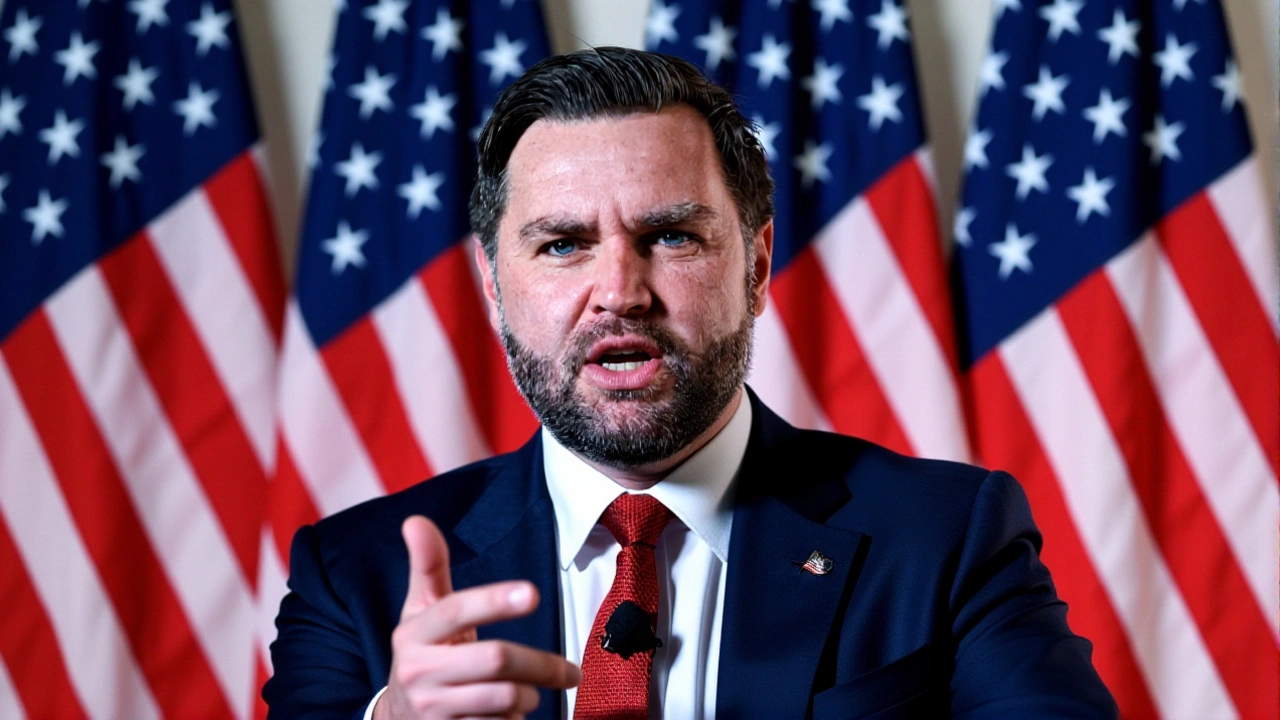
On November 20, 2025, JD Vance stood before a crowd of soldiers at Fort Campbell and delivered a line that echoed across the political divide: "We don't just want people who mindlessly follow orders. We want people who think." It was a powerful moment — one that seemed to align perfectly with the message six Democratic lawmakers had released just two days earlier. But then, hours later, Vance posted on X (formerly Twitter): "If the president hasn't issued illegal orders, then members of Congress telling the military to defy the president is by definition illegal." The contradiction wasn’t subtle. It was a political tightrope walk — and he nearly fell off.
The Democratic Video That Started It All
On November 18, 2025, Senator Mark Kelly (D-AZ), Representative Elissa Slotkin (D-MI), Representative Jason Crow (D-CO), Representative Maggie Goodlander (D-NH), Representative Chris Deluzio (D-PA), and Representative Chrissy Houlahan (D-PA) released a video addressed to U.S. military and intelligence personnel. All six have service backgrounds — Slotkin, a former CIA analyst and Iraq war veteran; Kelly, a retired Navy pilot and astronaut. Their message was clear, grounded in decades of military law: service members have a duty — and a right — to refuse illegal orders. No specifics were named. No president was named. Just a reminder of the Nuremberg Principles — the legal standard established after World War II that no soldier is absolved for following orders that violate international law.It was a routine, even textbook, civic education moment. Until President Donald Trump responded.
Trump’s Fury and the White House’s Retreat
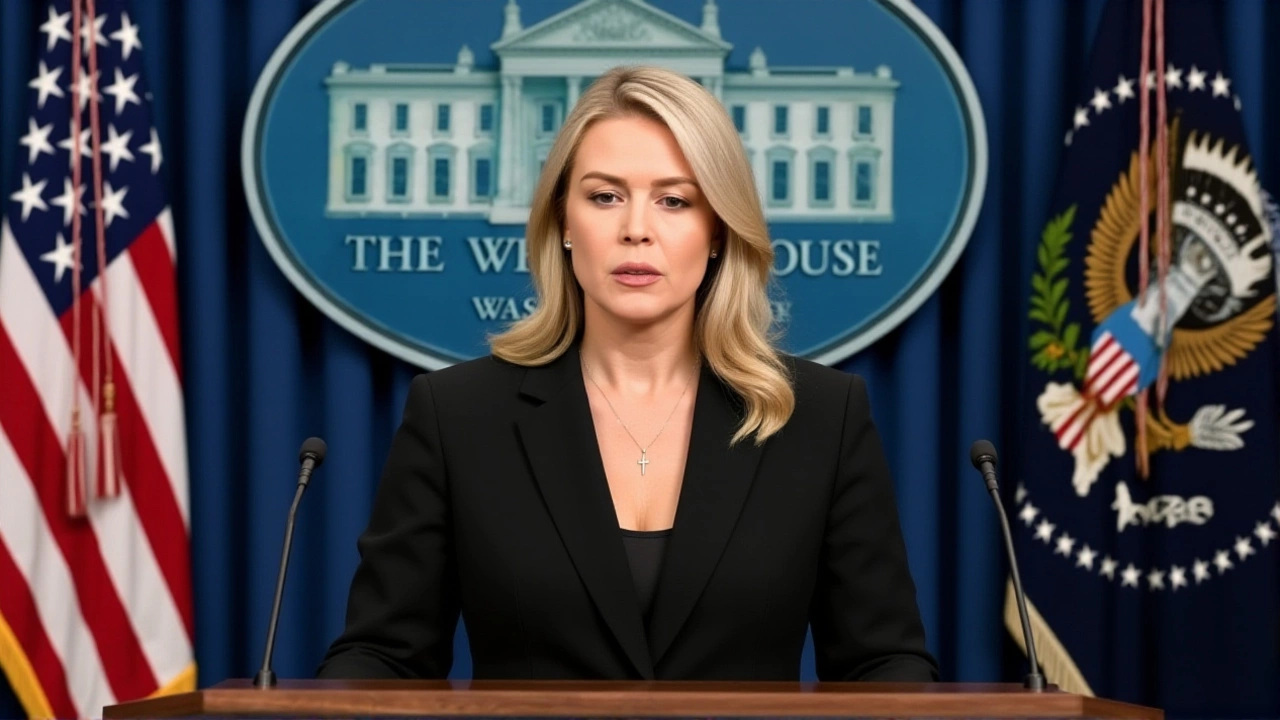
Within hours, Trump took to Truth Social, writing: "SEDITIOUS BEHAVIOR AT THE HIGHEST LEVEL." Then, in a follow-up: "SEDITIOUS BEHAVIOR, punishable by DEATH!" The language wasn’t just inflammatory — it was unprecedented. No modern U.S. president had publicly suggested executing members of Congress for political speech. The White House scrambled. By the next day, Press Secretary Karoline Leavitt clarified: "The president does not advocate for execution. But these actions are dangerous and could warrant legal consequences under existing statutes." The damage, however, was done.Slotkin later told ABC This Week she was "unaware of any illegal orders" from Trump. That’s key — the video didn’t accuse. It affirmed a principle. And yet, Trump’s response turned a constitutional reminder into a partisan firestorm. The lawmakers reported a surge in death threats. One bomb threat forced a full security overhaul. "We’re not politicians here," Slotkin said. "We’re veterans. We’ve seen what happens when soldiers stop thinking."
Vance’s Double Message
Then came JD Vance. On November 20, he stood at Fort Campbell and told troops: "The most powerful weapon in the United States’ arsenal... is a United States soldier." He praised critical thinking. He praised moral courage. He sounded like a man who understood the legacy of Nuremberg — where German officers were convicted not for obeying orders, but for failing to question them.Then, later that day, he posted on X: "If the president hasn't issued illegal orders, then members of Congress telling the military to defy the president is by definition illegal." Suddenly, the same man who praised independent judgment was now calling the Democratic lawmakers’ message unlawful. The public didn’t miss it. Social media exploded.
"Vance accidentally endorsed the one idea his own movement fears the most," read one viral comment. Another: "So… he supports Senator Kelly? If so, way to go JD! Maybe your spine is returning." Even conservative commentators noted the dissonance. "He gave the speech the Democrats wanted him to give," wrote one analyst. "Then he undid it with a tweet. That’s not leadership. That’s confusion."
Why This Matters Beyond Politics
This isn’t just about Trump or Vance. It’s about the foundation of American military ethics. The Nuremberg Principles weren’t created in a vacuum. They emerged from the ashes of the Holocaust, where soldiers claimed, "I was just following orders." The world rejected that defense. The U.S. military codified it in the Uniform Code of Military Justice (UCMJ) — Article 92, which explicitly states that obedience to unlawful orders is not a defense.When Trump called six sitting members of Congress — all veterans — "traitors," he wasn’t just attacking them. He was attacking the very structure that keeps the U.S. military from becoming a tool of tyranny. And when Vance tried to have it both ways — praising independent thought while condemning its expression — he exposed a deeper fracture in the Republican Party: Can you claim to defend freedom while punishing those who remind soldiers to use it?
The White House’s legal team now faces a dilemma: If Congress can be prosecuted for reminding troops of their duty, what’s next? Can a general be charged for refusing an order to deport citizens without due process? Can a medic be jailed for refusing to administer a drug they believe is unethical? The precedent is terrifying — and it’s being tested right now.

What’s Next?
Legal experts say the Democratic lawmakers are likely protected under the Speech or Debate Clause of the Constitution — which shields members of Congress from prosecution for official statements. But Trump’s allies are already pushing for a House Judiciary Committee investigation. Meanwhile, military leaders are quietly reiterating the UCMJ’s stance to their units — a silent rebuke to the political noise.As for Vance? He hasn’t clarified his position. And that silence speaks volumes. In the end, the soldiers at Fort Campbell didn’t need a politician to tell them what to think. They already know. The question is — will the leaders who swore to protect the Constitution do the same?
Frequently Asked Questions
Can military personnel legally refuse orders they believe are illegal?
Yes. Under the Uniform Code of Military Justice (UCMJ), Article 92, service members are required to obey lawful orders but are not obligated — and can be held criminally liable — for carrying out illegal ones. This principle dates back to the Nuremberg Trials, where Nazi officers were convicted for claiming "I was just following orders." The U.S. military trains personnel on this distinction annually.
Why did Trump’s comments cause such an uproar?
No sitting U.S. president has ever publicly suggested executing members of Congress for political speech. Even during the Civil War or Watergate, threats of violence against legislators were unthinkable. Trump’s "punishable by death" remark crossed a red line in American political norms, triggering alarms from military leaders, legal scholars, and bipartisan lawmakers who saw it as a threat to constitutional order.
Is JD Vance contradicting himself, or is there a legal distinction?
He’s contradicting himself. His speech praised independent judgment — aligning with the Nuremberg standard. His tweet, however, framed Congress’s reminder as illegal, ignoring that the lawmakers didn’t claim Trump issued illegal orders — they simply affirmed a pre-existing legal right. The distinction matters: one is advising on law; the other is accusing of sedition. Vance conflated the two.
What impact did this have on the lawmakers’ safety?
Following Trump’s posts, Representative Elissa Slotkin and the other five lawmakers reported a spike in death threats, including one verified bomb threat targeting their congressional offices. The U.S. Capitol Police upgraded their security protocols, including increased surveillance and restricted public access. Slotkin confirmed the threats were directly linked to Trump’s rhetoric, calling it "a chilling reminder of how quickly political speech can turn violent."
Could Congress be prosecuted for releasing this video?
Legally, it’s highly unlikely. The Speech or Debate Clause of the U.S. Constitution (Article I, Section 6) protects members of Congress from prosecution for statements made in the course of official duties. Legal scholars agree that the video — a non-specific reminder of existing military law — falls squarely within that protection. Any attempt to prosecute would likely be struck down in court as a violation of First Amendment rights.
How does this relate to historical precedents?
The closest parallel is the 1974 "Pentagon Papers" case, where officials leaked classified documents to expose government deception. But this is different: no documents were leaked, no classified info was revealed. This was a public, legal reminder — similar to the 1990s military ethics briefings after the Tailhook scandal. The real difference is the president’s response. Never before has a U.S. president labeled such a reminder as "sedition punishable by death."